|
 Medicine for the future: the IEMN's commitment to health! Medicine for the future: the IEMN's commitment to health!
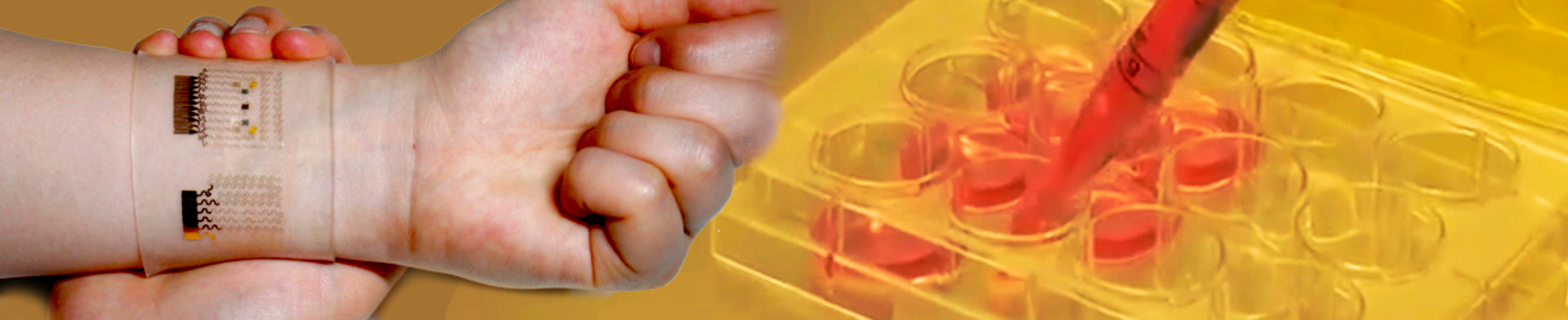 Can we provide better healthcare by observing what happens at the millionth of a meter scale? At IEMN, this question guides innovative research in this naturally interdisciplinary field. Among these, two major areas are developing at IEMN. Can we provide better healthcare by observing what happens at the millionth of a meter scale? At IEMN, this question guides innovative research in this naturally interdisciplinary field. Among these, two major areas are developing at IEMN.
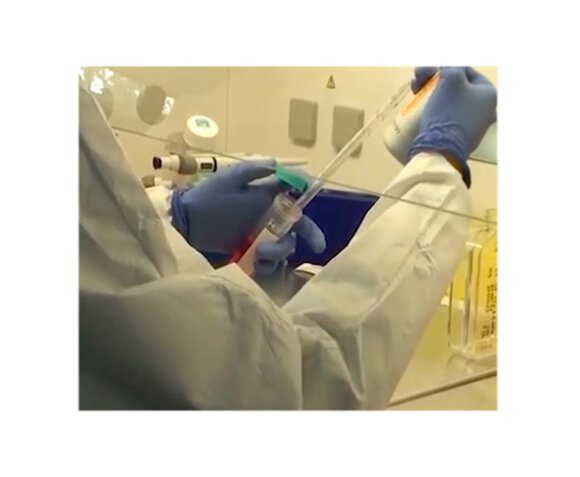
The first concerns the development of organs on chips, miniaturized devices that reproduce the basic functioning of a human organ in a controlled environment, allowing the effects of drugs, toxins, or pathogens to be studied in real time with a precision unattainable by conventional models. To recreate these complex biological functions, much more than miniaturization is required: it requires the convergence of cell engineering, biomaterials science, and microfluidics. These promising platforms offer an alternative to animal experimentation and could make it possible to test a treatment on an “organ” mimicking a patient before administration.
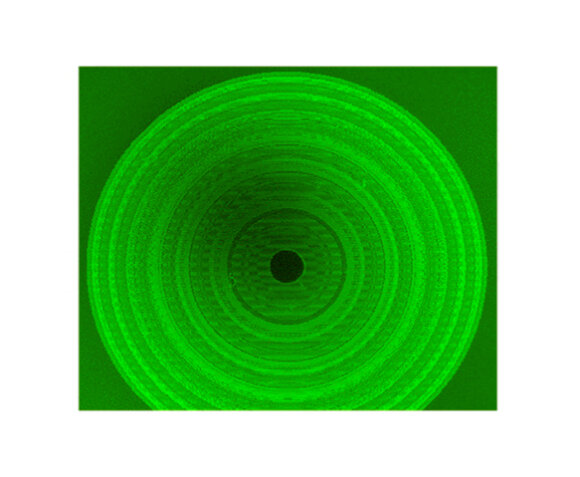
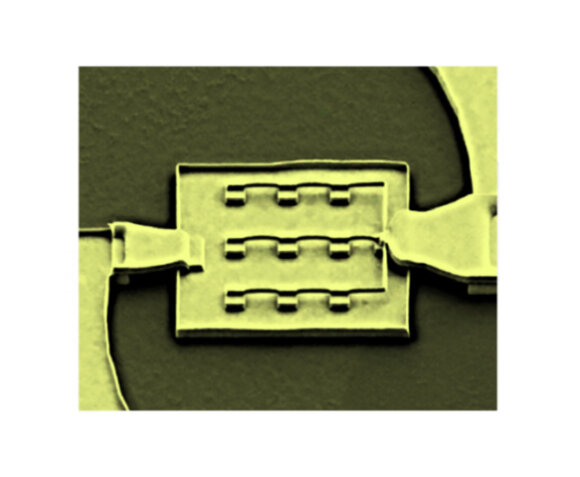
At the same time, the multiphysical characterization of circulating tumor cells is opening up new prospects in cancer diagnosis and prognosis. By combining electrical and mechanical measurements at the cellular level, IEMN researchers and their colleagues develop miniaturized devices coupled with artificial intelligence to detect the most aggressive cells before they form metastases. In the future, these tools could discover powerful biomarkers for tailoring treatments to each patient's profile.
These two activities fit perfectly into an ambitious health flagship program structured by the IEMN, which harnesses the power of micro- and nanotechnologies for more precise, personalized, and ethical medicine. This flagship program brings together a large scientific community with a common goal of inventing technological tools capable of better diagnosing, understanding, and treating diseases. It is part of a collaborative innovation dynamic involving hospitals, manufacturers, start-ups and patients, covering a wide range of topics: portable diagnostic devices, imaging technologies, neural interfaces, implantable monitoring systems, and many others.
In a context where health challenges are becoming increasingly complex, the ability to observe, understand, and intervene at the microscopic level is an essential lever for transforming medicine toward an approach centered on the uniqueness of each patient. The IEMN aims to harness the power of micro- and nanotechnologies for more precise, more personalized medicine.

|